Network

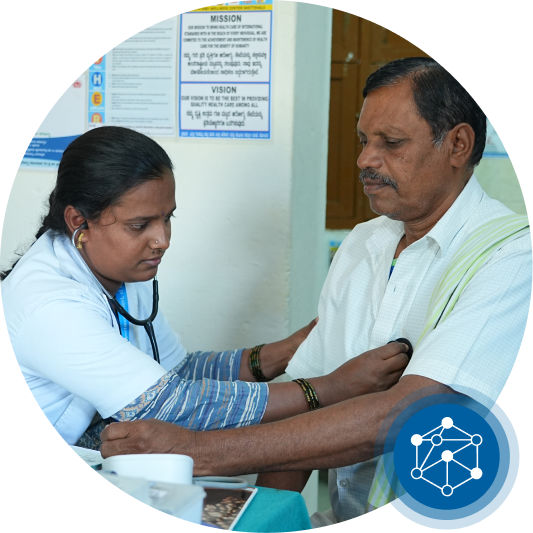
DiNC brings together the entire public health infrastructure and workforce of a district—from ASHAs in the village to the district hospital—into a single, digitally connected and coordinated network.

The problem DiNC solves at
the network level

Across districts, facilities and frontline workers operate in silos. Referrals are unstructured, patient journeys are fragmented, and district hospitals are overburdened while primary centres remain underutilized. At the same time, most specialists are concentrated in towns, while much of the population lives in villages—forcing unnecessary travel and delays in care.

DiNC bridges this gap by connecting existing facilities and the workforce into a single, coordinated network. It enables structured referrals, brings virtual specialist access to the last mile, and ensures patients receive the right care at the right place—reducing burden on higher centres while improving continuity of care.

1100+
Facilities connected
800+
Ayushman Arogya Mandir Integrated
3100+
ASHAs and ANMs on the network
400+
Doctors and Specialists delivering primary care
graphic

DiNC Central Command

The Nerve Centre

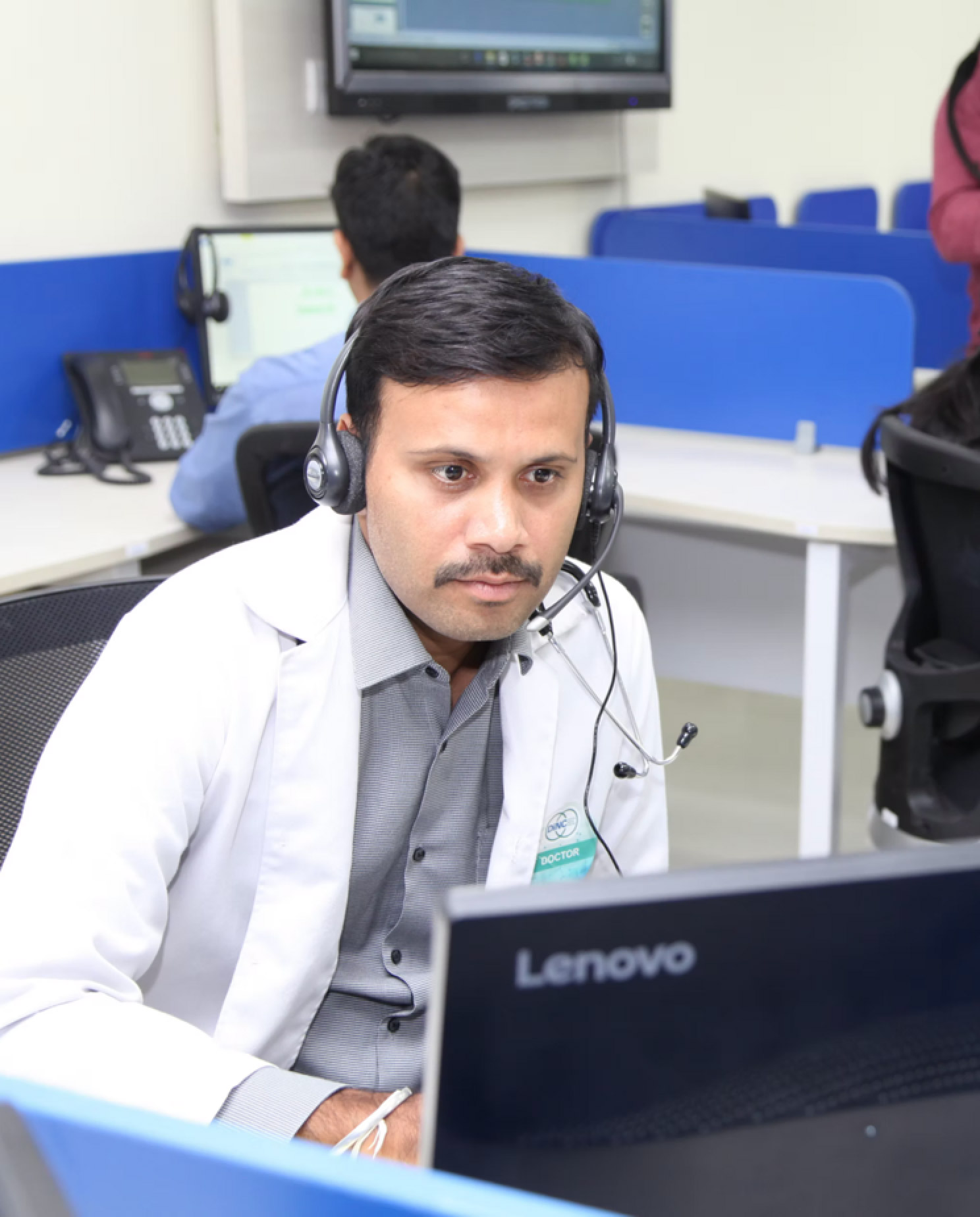
The DiNC Care Coordination Centre (Nerve Centre) is the operational brain of the district—coordinating all care activity across facilities, frontline workers, and specialists into one continuously connected system. It ensures that citizen interactions, clinical decisions, and programme activity across the district is routed, tracked, and acted upon—so care delivery is not fragmented by facility, but unified by the network.
Virtual

What Virtual Care Delivery Does

Enables doctors and nurses to conduct consultations, clinical counselling, and specialist referrals across all connected facilities without physical presence, expanding access to care at the last mile.

Outreach

Proactive Outreach & Programme Monitoring

Initiates system-led follow-ups, reminders, and outreach for high-risk patients and programme cohorts, while tracking service delivery, coverage, and adherence across the district.

Query

Citizen Query Management

Inbound calls and requests are triaged and routed to the appropriate clinical or non-clinical resource—nurse, doctor, or coordinator—based on the nature of the query, ensuring fast and structured response.

Education

Group Education & Workforce Support

Delivers structured health education sessions for citizens (including maternal and chronic care groups) and provides continuous training, protocol updates, and support to frontline health workers.

Facility Augmentation:
DiNC Arena & V-Pod

Every DiNC-enabled facility is strengthened with two physical touchpoints that ensure seamless coordination of care and access to services at the last mile.

DiNC Arena (Micro-Arena)

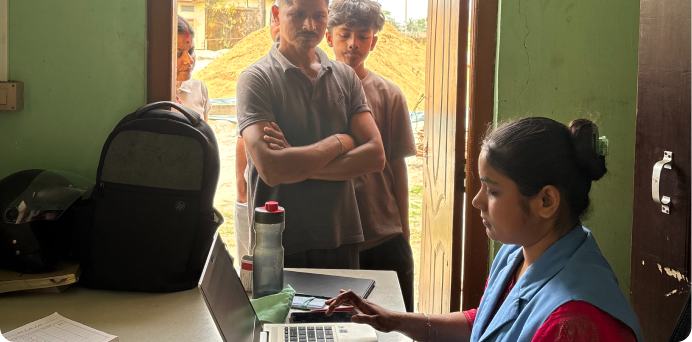
A dedicated single-window desk (~6' × 4') located near the OPD entrance and managed by the Patient Care Coordinator (PCC). It serves as the citizen’s first point of contact within the facility.

Key functions include:

  • Appointment booking and patient navigation within the facility
  • Pre- and post-consultation record updates
  • Display of communication boards guiding DiNC services
  • Document scanning and uploading
  • Clear signage to help citizens access the right services easily
Facility Banner

V-Pod (Virtual Pod Room)

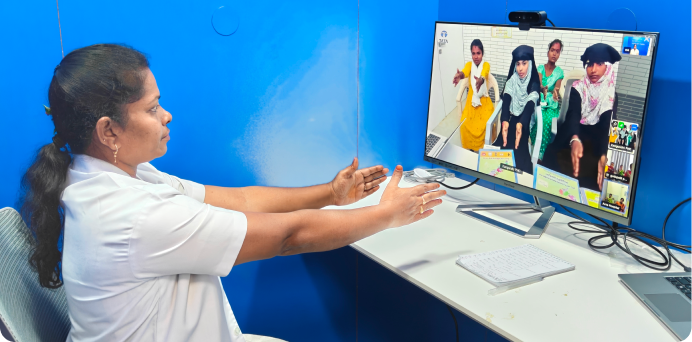
A private, audio-visual enabled consultation room within each facility that extends specialist access to the last mile without requiring physical travel.

Key functions include:

  • Doctor-to-patient virtual consultations
  • Doctor-to-doctor specialist consultations and referrals
  • Group health education sessions such as Lamaze and yoga
  • Pre- and post-consultation coordination
Facility Banner

How the Network works:

Citizens can enter the system through multiple points—ASHAs and community health workers, helplines, outreach camps, or direct walk-ins at any facility. Every entry point feeds into a single coordinated system where the citizen is registered, guided, and supported through their care journey.

01

Clinical Referral
Triggered

A doctor at a PHC or CHC identifies the need for specialist or higher-level care during consultation and initiates a referral.

02

Appointment
Scheduled by PCC

The Patient Care Coordinator (PCC) books a confirmed appointment at the appropriate higher facility or specialist, aligned with patient convenience, and logs it in HealthX.

03

Seamless Patient
Transfer

The patient visits the receiving facility with complete digital records accessible in real time. Clinical triage confirms priority, eliminating the need for repeat history-taking.

04

Specialist Consultation &
Care Plan

The specialist at the higher facility conducts the consultation, supported by the local PCC, and defines the next step in care—often including continuation at the primary level where appropriate.

05

Return &
Continuity of Care

A backward referral is initiated when follow-up care is required at the PHC level. The PHC PCC schedules and manages the follow-up, ensuring continuity.

The referral cycle is only considered complete once the follow-up is conducted and recorded in HealthX, ensuring end-to-end continuity of care.

Doctor

What could this look like
in your district?

Discover how the DiNC model can help strengthen and transform healthcare delivery across your district or state through a data-driven, integrated, and outcome-focused approach.

If you would like to learn more about the model, explore its potential applicability in your context, or discuss partnership opportunities, we invite you to submit an enquiry. We will reach out to you to answer your questions, provide additional information, and discuss how the model can support your healthcare and development priorities.

ENQUIRE NOW