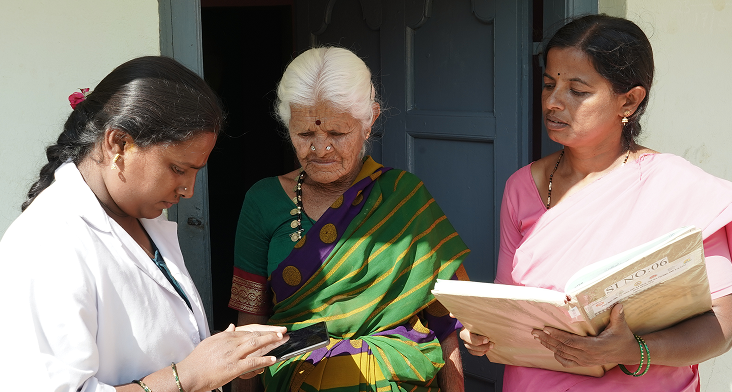
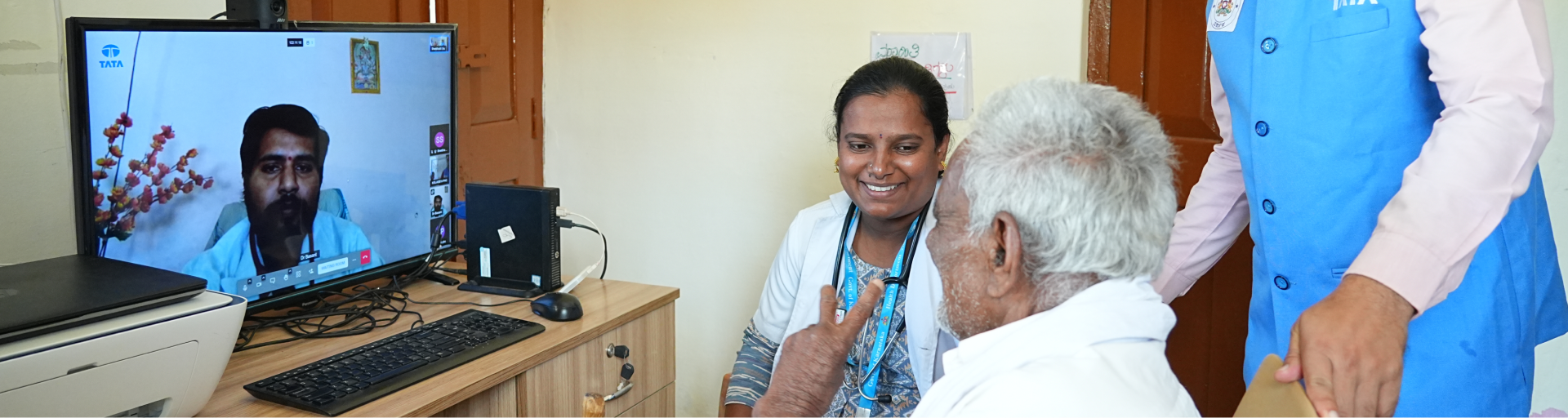
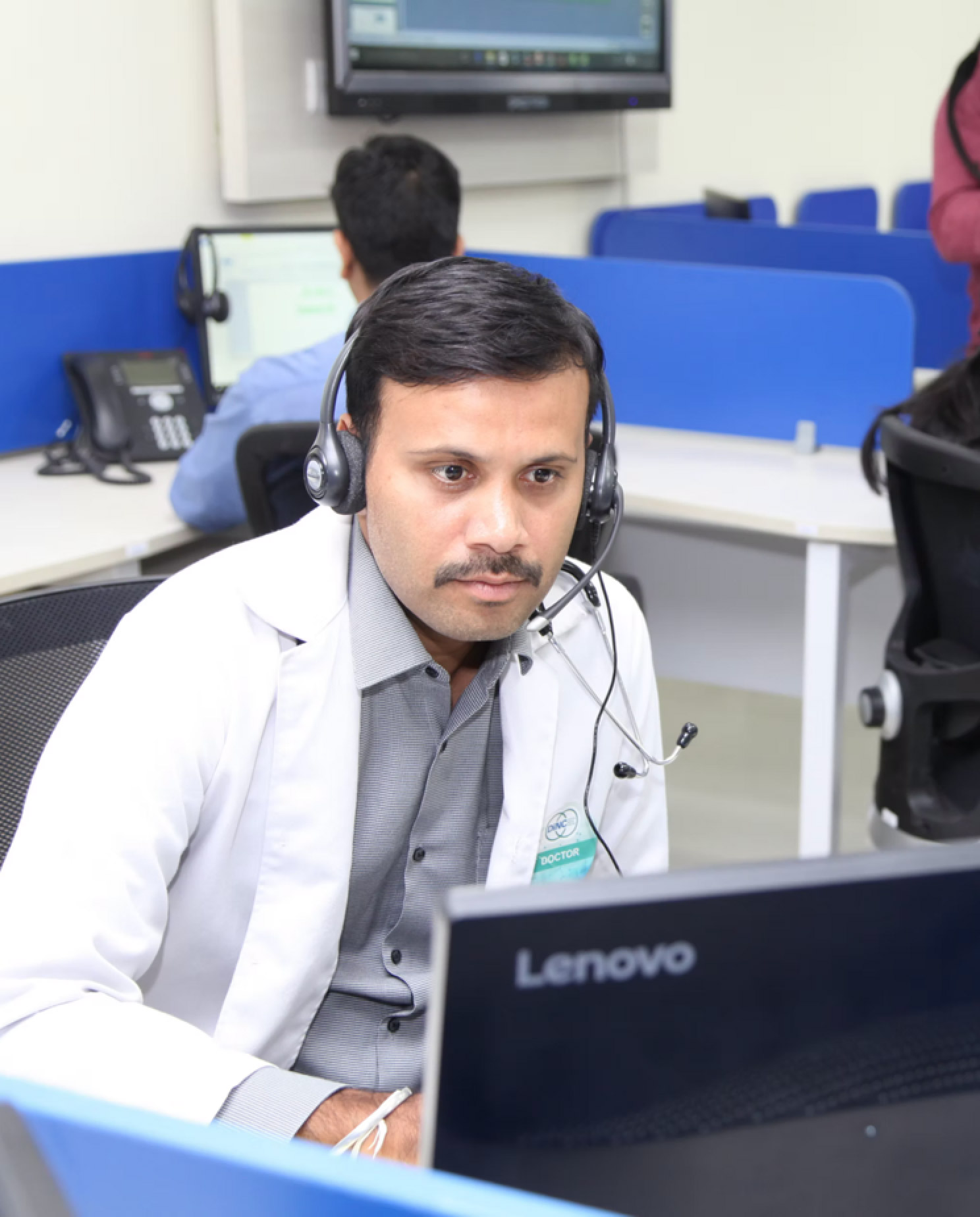
Kolar — where India's connected healthcare transformation began

As the founding and longest-running DiNC implementation, Kolar has demonstrated nearly a decade of continuous public healthcare transformation — driving measurable improvements in healthcare utilisation, maternal and child health outcomes, and NCD management across all six talukas.

2017

Launch year

33L +

citizens on platform

90

facilities connected

71% Surge

in public healthcare utilisation

33 Lakh+

Citizens on DiNC platform

25 Lakh+

Appointments facilitated

16 Lakh+

Virtual consultations

13.8 Lakh+

Total care facilitations

District Overview

A district that
needed a different
answer

Kolar is located in south-eastern Karnataka, approximately 100 km from Bengaluru. With 69% of its 18.5 lakh population in rural areas but 80% of healthcare resources concentrated in Kolar town, geographic inequity in access was structurally embedded. Citizens routinely bypassed PHCs — frustrated by absent doctors and poor coordination — incurring avoidable out-of-pocket costs at private facilities.

The district also faced a dual burden: malnutrition (32% of children under five stunted) and rising NCDs. In 2017, the Government of Karnataka invited Tata MD to address this, resulting in the DiNC — jointly managed with the Department of Health and Family Welfare, GoK.

OPTIMISED CARE AT HEALTH FACILITY

More citizens, more often,
at the right level of care

71%
Surge in total public healthcare utilisation
41 Lakh
Annual visits to public facilities increased from 2.4M in 2020–21
61%
Share of visits now at primary care level
ANNUAL PATIENT VISITS
FACILITY 2020–21 2024–25 CHANGE
Sub Centre 0.40L 0.79L +19%
Primary Health Centre 10L 17.3L +73%
Community Health Centre 0.50L 1.20L +140%
Taluk Hospital 11L 11L Stable
District Hospital 0.20L 0.28L +40%
2020-21 TO 2024-25

Mix of visits

More care at PHCs and Sub-Centres means fewer avoidable referrals, lower costs for citizens, and specialist capacity preserved for complex cases.

PRIMARY
arrow
From 44%
to 61%
SECONDARY
arrow
From 56%
to 39%

Programme Impact

Significant impact across
all healthcare programmes

mother

Maternal & Child
Health

92K

Unique mothers coordinated

80K

Unique children coordinated

2.2L

Mother hospital visits

2.8L

Proactive care coordinations

mother

Non-Communicable
Diseases

2L

Total screenings

82K

Unique patients in coordination

41K

High-risk individuals

2.2K

Care coordination events

mother

Geriatric
Care

95K

Active elderly patients

1.3L

Hospital visits coordinated

2.5L+

Cumulative care facilitations

mother

Mental
Health

4K+

Active patients

7K

Hospital visits

25K

Proactive coordination

71K

Cumulative services

mother

Tuberculosis

1,335

Active TB patients

9,042

Proactive care coordination

mother

Virtual Care &
OPD

1,64,000+

Total virtual consultations

18,000+

Video consults in 2022-23

4,03,044

Peak OPD visits facilitated (2021-22)

2 Lakh+
NCD Patients screened & managed
1.7 Lakh+
Pregnant Women & Children received coordinated care
33 Lakh+
Citizens onboarded
40%
Reduction in Patient wait time

Maternal Health Outcomes

Near-universal compliance on
all maternal health indicators

Kolar significantly outpaces Karnataka state averages. Karnataka 2020 comparators: 4+ ANC visits 70.9%
71%
Surge in total public healthcare utilisation
4.1 M
Annual visits to public facilities increased from 2.4M in 2020–21
61%
Share of visits now at primary care level
Key Indicator Kolar 2016* Kolar 2020** Kolar 2024***
Births attended by skilled health personnel (%) 97.9 99.3 99.8
Mothers with ≥4 antenatal care visits (%) 76.6 90.9 99
First trimester antenatal check-up (%) 75 78 96.3
Iron & Folic Acid for 100+ days (%) 60.2 60.2 99.8
Postnatal care within 2 days of delivery (%) 74.1 95.7 97
* NFHS-4 (2016)  |  ** NFHS-5 (2020)  |  *** DiNC survey, 6,700+ ANC patients, 2024-25
banner2
Doctor

What could this look like
in your district?

Discover how the DiNC model can help strengthen and transform healthcare delivery across your district or state through a data-driven, integrated, and outcome-focused approach.

If you would like to learn more about the model, explore its potential applicability in your context, or discuss partnership opportunities, we invite you to submit an enquiry. We will reach out to you to answer your questions, provide additional information, and discuss how the model can support your healthcare and development priorities.

ENQUIRE NOW