People

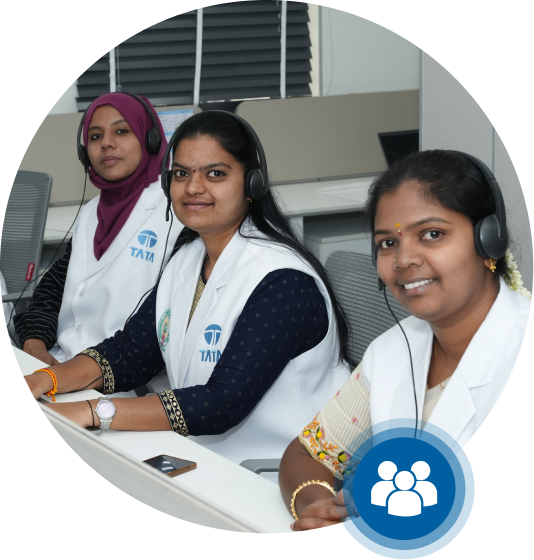
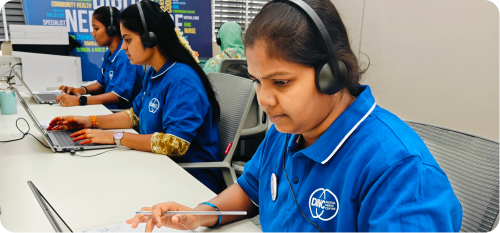
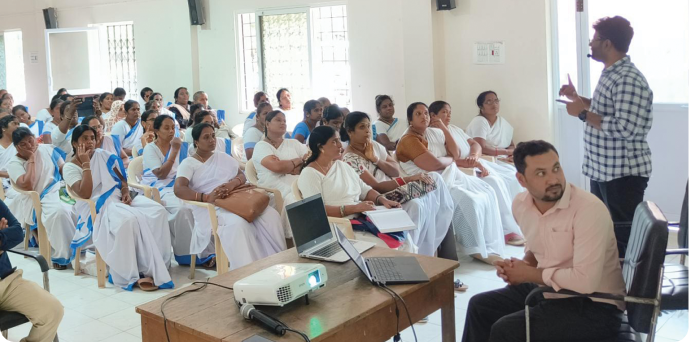
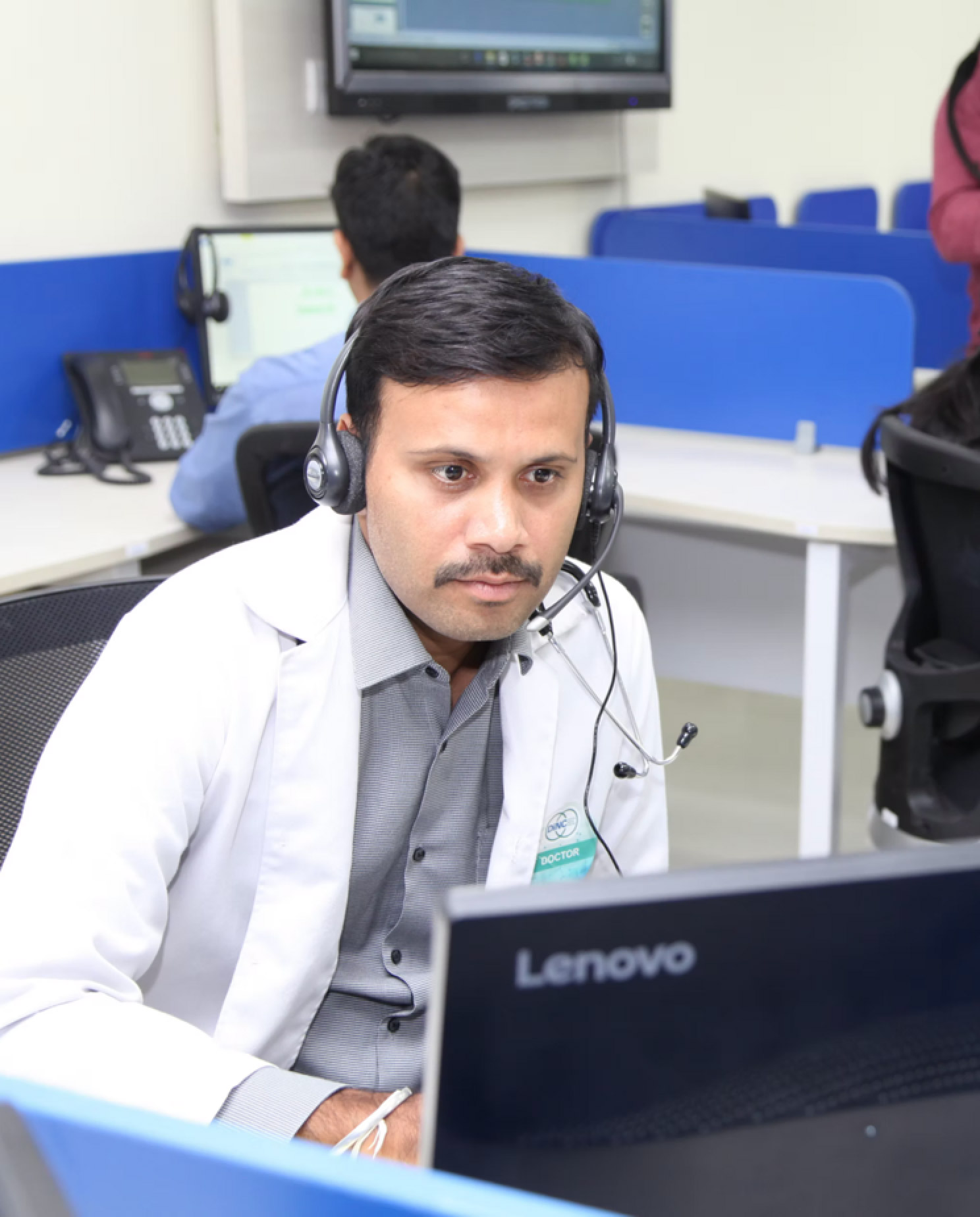
DiNC creates a structured “Bridgital” workforce—Patient Care Coordinators, nurses, and managers—who ensure smooth coordination of care across facilities and communities, making the system work consistently at scale.

This works alongside existing government health staff, who continue to deliver clinical care as well as manage their wider public health and programme responsibilities.

Why a dedicated people layer
matters

In today’s public health system, doctors are burdened with administrative tasks, patients struggle to navigate care, and frontline workers operate in silos.

DiNC introduces a coordinated human layer to bridge these gaps:

  • Patient Care Coordinators (PCCs) manage registrations, appointments, referrals, and navigation—reducing the load on clinical staff
  • DiNC teams enable follow-ups, counselling, and continuous patient engagement beyond facilities
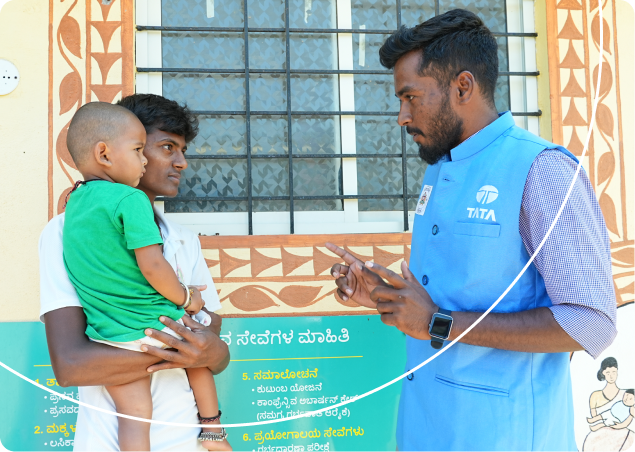
  • Frontline workers and government doctors remain central, now digitally integrated for seamless continuity between community and facility care
6.1 Hrs
Doctor workload
saved daily
03
Tiers of Bridgital
workforce
200+
DiNC Staff
3100+
ASHAs & ANMs
on network
People

ORGANISATION STRUCTURE

Three tiers — from district to
facility to community

  • DiNC Doctors: Teleconsultations, specialist referrals, clinical support for complex cases.
  • DiNC Nurses: Patient counselling, pre/post consultation support, follow-ups, maternal/chronic care engagement.
  • DiNC Coordinators: Patient onboarding, triaging, referral routing, ongoing communication.
  • Central Operations Lead: District-level coordination, workflow management, stakeholder alignment.
virtual-care-central

  • Patient Care Managers (District Hospital and Area Hospital level): PCC supervision, protocol adherence, operational issues across facilities.

Patient Care Coordinators (PCCs) Single point of coordination at facilities—manage registration, appointments, referrals, and V-Pod support.

  • PHC / CHC: Patient flow and basic coordination
  • Area Hospitals: Higher volume OPD and referral coordination
  • District Hospitals: Specialist referrals and complex case coordination
Frontline coordination
banner2

ORGANISATION STRUCTURE

Patient Care Coordinator
(PCC)
— A dedicated
coordinator and
mobiliser at every facility

The PCC is the operational backbone at every facility, stationed at the DiNC Arena near the OPD. They ensure patients are guided, tracked, and supported through every step of their care journey.
Patient Care
Registration

Community Registration & Patient navigation

Digitally registers patients, directs them to the right service, and reduces delays and confusion within the facility.

Icon

Care Coordination & Management

Schedules referrals and follow-ups on the system in real time, coordinates between facilities, and ensures every referral cycle is completed.

Virtual

V-Pod facilitation

Enables virtual consultations and group sessions such as maternal health education and counselling through the V-Pod.

Milestones

Care planing & milestone tracking

Tracks key health milestones (ANC, NCD, immunisation), sends reminders, and works with ASHAs/ANMs to follow up on missed care.

How PCCs free doctors to practise medicine

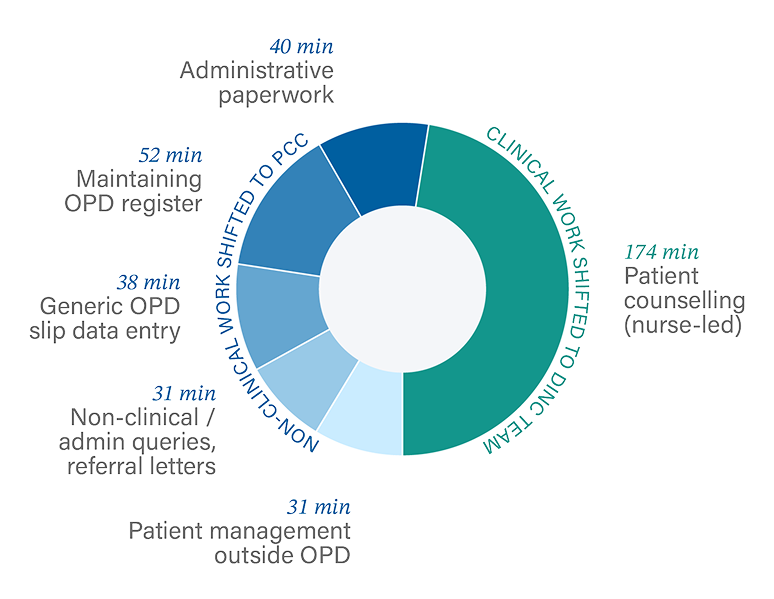
Field validation from Kolar shows that the PCC and DiNC team together absorb a significant share of non-clinical and coordination work from doctors and specialists.

6.1 hours

of reduced workload per doctor per day, enabling clinicians to focus more directly on diagnosis, treatment, and clinical decision-making.

PieChart

GOVERNMENT STAFF – AUGMENTED THROUGH THE SYSTEM

DiNC empowers existing roles
across the health system

ASHAs

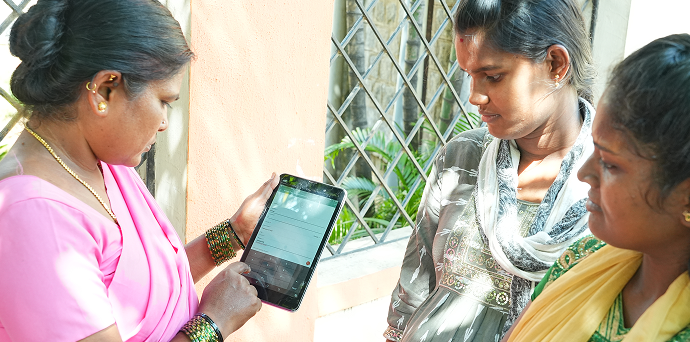
ASHA outreach is strengthened improving coverage, consistency, and follow-up.
  • Digital support for citizen registration and reminders
  • Coordinated messaging for community follow-up and care adherence
  • ABHA onboarding and known-citizen tracking through ASHA-led drives
empower

ANMs & CHOs

Community and facility care is better linked through shared records and structured workflows.
  • Unified patient records across community and facility care
  • Digital coordination of follow-ups and home visits
  • Structured care pathways reducing reliance on memory and manual tracking
empower

Pharmacists & Lab Technicians

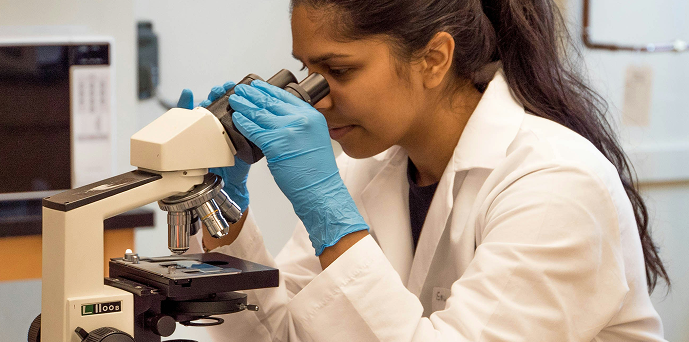
Prescriptions, lab result tracking, and patient communication handled through DiNC workflows — reducing operational interruptions at the facility level.
  • Lab results auto-uploaded and linked to patient record
  • Prescription refill reminders via DiNC system
  • Reduces patient return visits for paperwork
  • Govt. staff can be repurposed as PCCs with training
empower

Doctors

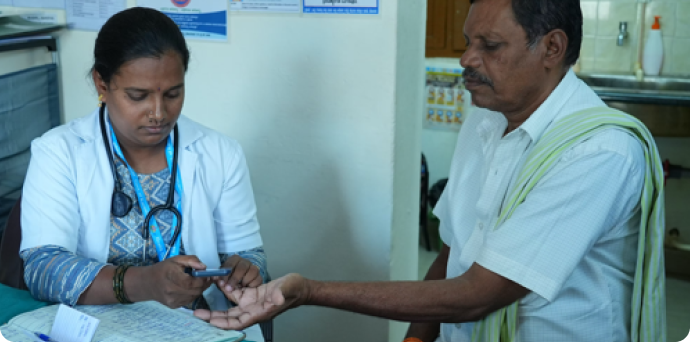
Doctors focus more directly on clinical decision-making and patient outcomes.
  • Reduced administrative workload
  • Faster access to coordinated patient records
  • Better support through virtual care systems
empower
Doctor

What could this look like
in your district?

Discover how the DiNC model can help strengthen and transform healthcare delivery across your district or state through a data-driven, integrated, and outcome-focused approach.

If you would like to learn more about the model, explore its potential applicability in your context, or discuss partnership opportunities, we invite you to submit an enquiry. We will reach out to you to answer your questions, provide additional information, and discuss how the model can support your healthcare and development priorities.

ENQUIRE NOW